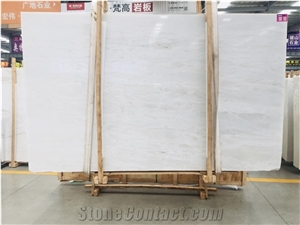
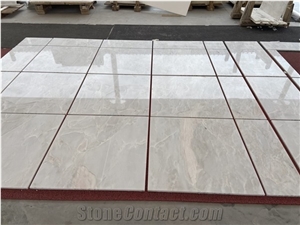
Namibia Jade Marble

About
Item Details
- Material Type:
- Marble
- Origin:
Namibia (Damara, Karibib region) - Primary Color(s):
- White
- Recommended Usage:
- kitchen and bathroom countertop, wash basins, building stone, ornamental stone, stairs, interior, exterior wall and floor applications, mosaic, water-jet pattern, wall panels, table tops, balustrades, columns, wall and pool copings, pool pavers, sculptures, fireplaces, window sills
- Additional Names:
- Bianco Savana Marble, Bianco Savanna Marble, Blanco Savana Marble, Karibib White Marble, Savanna Light Marble, Savanna Princess Marble, Savanna Atlantica Marble, Namibia White Jade Marble, Fendi Jade Marble, Fendi White Jade Marble, in China stone market:芬迪白玉 (Fēndí Báiyù), Namibia Jade Marble
- Finished Surface:
- Polished,Bush Hammered,Tumbled,Brushed,Honed,Split,Machine Cut,Natural Surface,Sandblasted,Combed,Leathered,Water Jet,Chiseled,Pickling
Testing
- Water Absorption:
- 0.1 - 0.3%
- Density:
- 2680 - 2700 kg/m³
- Flexural Strength:
- 12 - 15 MPa
- Compressive Strength:
- 100 - 120 MPa
- Stone texture:
- a premium natural luxury stone famous for its creamy translucent white base, fluid grey waves, and delicate, pale-green jade-like veins white marble
Description
Namibia Jade Marble is a stunning and premium natural stone sourced from the Damara, Karibib region of Namibia. Known for its exquisite aesthetic qualities, the marble features a creamy, translucent white base accentuated by fluid grey waves and delicate, pale-green jade-like veins. This unique combination of colors and patterns makes it a popular choice for luxury interiors and architectural applications.
Physical and Mechanical Properties
- Water Absorption: 0.1 - 0.3%
- Density: 2680 - 2700 kg/m³
- Flexural Strength: Approximately 12-15 MPa
- Compressive Strength: Around 100-120 MPa
- Hardness: Typically between 3 and 4 on the Mohs scale
- Porosity: Low porosity, contributing to its durability
- Slip Resistance: Generally high when honed or textured, but can vary with finish
Chemical and Mineral Compositions
- Calcium Carbonate (CaCO₃): Predominant mineral, over 90% by weight
- Minor Elements: Include silica, mica, and various oxides contributing to the marble's color variations
- Trace Minerals: Contribute to the pale-green jade-like veins and may include serpentine or similar materials
Usage
Namibia Jade Marble is suitable for a variety of applications, including but not limited to:
- Interior Flooring and Wall Cladding: Its luxurious appearance makes it ideal for high-end residential and commercial spaces.
- Countertops and Vanities: Durable and visually appealing for kitchens and bathrooms.
- Furniture Accents: Used in custom furniture designs for an elegant touch.
- Sculptural Elements: Its workability allows for intricate carvings and designs.
Maintenance
- Regular Cleaning: Use a pH-neutral cleaner to maintain the stone's appearance.
- Sealing: Periodic sealing recommended to protect against stains and maintain polish.
- Avoid Harsh Chemicals: Acidic or abrasive cleaners can damage the marble’s surface.
Cutting Sizes
- Slabs: Commonly available in 2 cm and 3 cm thicknesses
- Tiles: Customizable, often available in standard sizes like 30 x 30 cm, 60 x 60 cm, and 60 x 120 cm.
- Custom Sizes: Available upon request for bespoke projects
Available Common Surface Finish Options
- Polished: Offers a high-gloss finish that enhances the stone's colors and patterns.
- Honed: Provides a smooth, matte appearance, reducing reflectivity.
- Leathered: A textured surface that adds depth and character while providing slip resistance.
- Brushed: A slightly textured finish that brings out the natural character of the stone.
Namibia Jade Marble is often chosen for its captivating beauty and balance of durability and elegance. Its unique appearance, combined with its physical properties, makes it a versatile option for high-end architectural and design projects.
FAQ
To fix scratches on your Namibia Jade Marble tabletop, you can try the following steps:
1. Start by cleaning the surface of the tabletop with a mild soap and water solution to remove any dirt or debris that may be hiding the scratches.
2. Use a marble polishing compound or powder to buff out the scratches. Apply a small amount of the compound to the scratch and gently rub it in using a soft cloth or sponge. Be sure to follow the manufacturers instructions for the specific product you are using.
3. If the scratches are deep, you may need to use a diamond polishing pad or sandpaper to carefully sand them down. Start with a fine grit sandpaper and gradually work your way up to a finer grit to avoid causing further damage to the marble.
4. Once the scratches have been buffed out, clean the surface of the tabletop with a damp cloth to remove any residue from the polishing compound or sandpaper.
5. Finally, polish the tabletop with a marble sealant to protect the surface and give it a shiny finish.
It is important to note that fixing scratches on marble can be a delicate process, so it is recommended to seek the help of a professional if you are unsure or if the scratches are extensive.
Does the surface of Namibia Jade Marble countertop scratch easily?
Namibia Jade Marble is a natural stone with a moderate hardness and durability, so it may scratch more easily than harder materials like granite or quartz. Proper care and maintenance, including using cutting boards and avoiding harsh chemical cleaners, can help prevent scratching and prolong the life of the countertop. Regular sealing and polishing can also help protect the surface from scratches and other types of damage.
Can Namibia Jade Marble be used for pool coping?
Yes, Namibia Jade Marble can be used for pool coping. Marble is a durable and attractive natural stone that is commonly used for pool coping due to its resistance to water and heat, as well as its smooth and elegant appearance. Namibia Jade Marble, in particular, can add a luxurious and unique touch to your pool area. Just make sure to properly seal and maintain the marble to ensure its longevity and prevent any staining or discoloration from pool chemicals.
Can Namibia Jade Marble be used as a kitchen countertop?
Yes, Namibia Jade Marble can be used as a kitchen countertop. However, it is important to note that marble is a softer and more porous stone compared to granite or quartz, so it may require more maintenance and care to prevent staining, scratching, and etching. It is recommended to seal the marble regularly and use cutting boards and hot pads to protect the surface. Ultimately, the decision to use Namibia Jade Marble as a kitchen countertop should be based on personal preference and willingness to properly maintain the stone.
How can I maintain Namibia Jade Marble bathroom flooring?
Maintaining Namibia Jade Marble bathroom flooring requires regular cleaning and proper care to prevent staining and damage. Here are some tips to help you maintain your marble flooring:
1. Use a mild detergent or stone cleaner to clean the marble flooring regularly. Avoid using harsh chemicals or acidic cleaners that can damage the marble surface.
2. Wipe up spills immediately to prevent staining. Use a soft, damp cloth to gently clean the spill and dry the area thoroughly.
3. Avoid using abrasive cleaners or scrubbing sponges on the marble flooring, as this can cause scratches and damage the surface.
4. Use coasters or mats under toiletry bottles and containers to prevent staining from products like shampoo, soap or toothpaste.
5. Seal the marble flooring periodically to protect it from moisture and stains. Consult with a professional stone specialist for the right sealant and application process.
6. Avoid dragging heavy furniture or objects across the marble surface, as this can scratch and damage the flooring.
7. Consider placing rugs or mats in high traffic areas to protect the marble flooring from wear and tear.
By following these maintenance tips, you can keep your Namibia Jade Marble bathroom flooring looking beautiful and well-maintained for years to come.
What is the standard thickness of white Namibia Jade Marble ogee molding?
The standard thickness of white Namibia Jade Marble ogee molding is typically around 3/4 inch to 1 inch. However, the exact thickness may vary depending on the manufacturer and specific design of the molding.
What is the minimum thickness for a Namibia Jade Marble dining tabletop?
The minimum thickness for a Namibia Jade Marble dining tabletop is typically around 3 cm (1.18 inches). This thickness provides enough stability and durability for a dining tabletop while also showcasing the beauty of the marble. However, some may choose to have a slightly thicker tabletop for added strength and longevity.
What is the minimum thickness for Namibia Jade Marble tile floor covering?
The minimum recommended thickness for Namibia Jade Marble tile floor covering is typically around 10mm (3/8 inch). However, it ultimately depends on the specific application and the level of foot traffic the area will experience. It is important to consult with a professional installer or supplier to determine the most suitable thickness for your particular project.
Can Namibia Jade Marble be used exterior applications in very rainy climates?
Namibia Jade Marble is a natural stone that can be used for exterior applications, including in very rainy climates. However, since marble is a porous stone, it is important to ensure proper installation and maintenance to protect it from excessive moisture and potential damage.
In wet climates, it is recommended to use a high-quality sealer on the Namibia Jade Marble to enhance its water-resistance and prevent water penetration. This will help to protect the stone from moisture-related issues such as staining and cracking.
Additionally, regular cleaning and maintenance will be necessary to remove any buildup of dirt and grime, as well as to reapply sealant as needed. It is also important to choose a reputable installer who has experience working with natural stone in exterior applications.
Overall, with proper installation, sealing, and maintenance, Namibia Jade Marble can be suitable for exterior use in rainy climates. However, it is always recommended to consult with a professional to ensure the best outcome for your specific project.
Can Namibia Jade Marble be used in landscaping?
Yes, Namibia Jade Marble can be used in landscaping. It is a beautiful and durable stone that can be used for various landscaping projects. Some common uses of Namibia Jade Marble in landscaping include paving walkways and driveways, creating patio areas, building retaining walls, constructing steps and staircases, and creating decorative elements such as fountains or sculptures. It is also often used for cladding exteriors of buildings or for creating decorative features in gardens. The green color and unique veining patterns of Namibia Jade Marble can add a distinctive and luxurious touch to any landscaping project.


3YR